Marie Skłodowska-Curie Actions · Horizon 2020
flexell: reversible/flexible solid oxide cells
Developing a proof of concept for flexible energy conversion - from alternative fuels to electricity, and from steam and electricity to hydrogen.
View project on CORDISThe project
One cell concept. Two modes of operation.
flexell - Reversible Solid Oxide Cell Development for the Utilisation of Alternative Fuels and Hydrogen Strategic Production was a Marie Skłodowska-Curie Actions project funded by the European Commission under Horizon 2020.
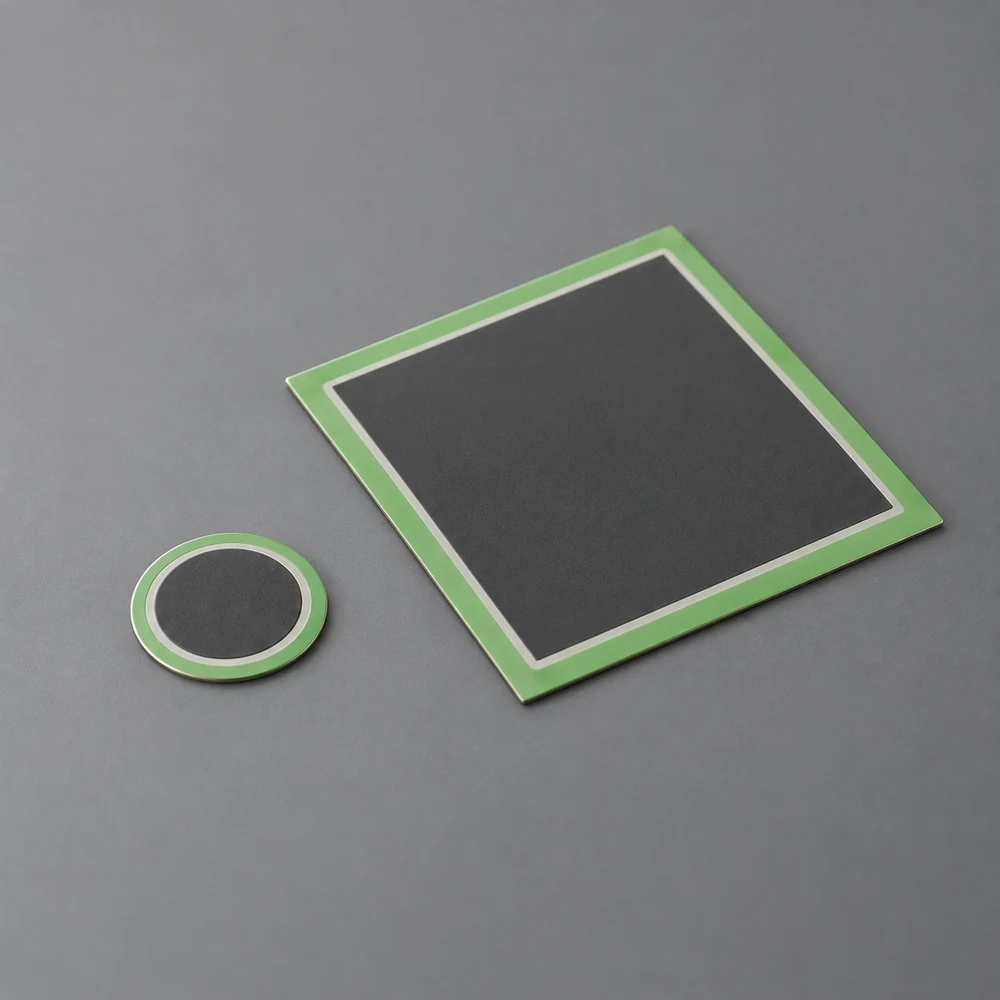
The project aimed to develop a proof-of-concept reversible solid oxide cell (SOC) capable of operating in both fuel-cell and electrolysis modes. In fuel-cell mode, liquid and gaseous fuels - including ethanol, methane and natural gas - could be converted into electricity. In electrolysis mode, steam and electricity could be used to produce hydrogen.
This flexible approach addressed the changing needs of energy systems by bringing together alternative-fuel utilisation and strategic hydrogen production in one electrochemical platform.
Research and development
From electrode materials to reversible operation.
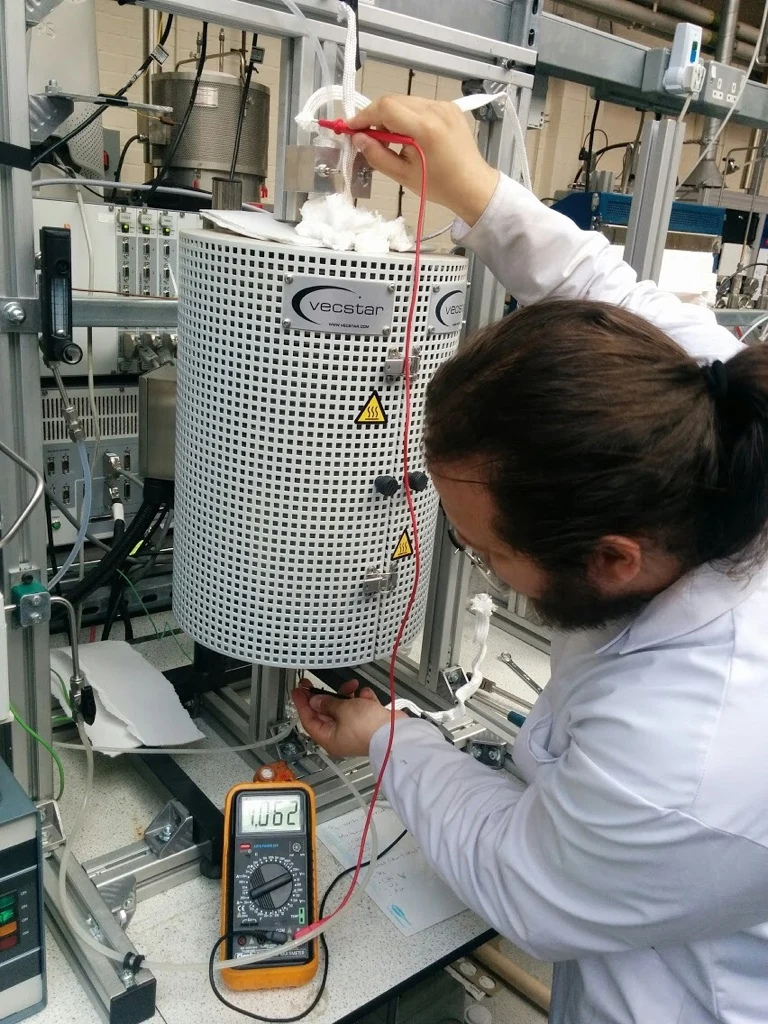
As the Marie Skłodowska-Curie Research Fellow leading the flexell research, I focused on developing and optimising anode-supported reversible solid oxide cells, with particular emphasis on fuel flexibility and materials development.
- Development of ceria–nickel fuel electrodes.
- Reversible operation with alternative fuels, including ethanol and biogas.
- Electrolysis using dry and wet CO₂.
- Ceramic processing, materials characterisation and electrochemical testing.
- Approaches to scaling up cell manufacturing.
Knowledge exchange
Sharing research and building connections.
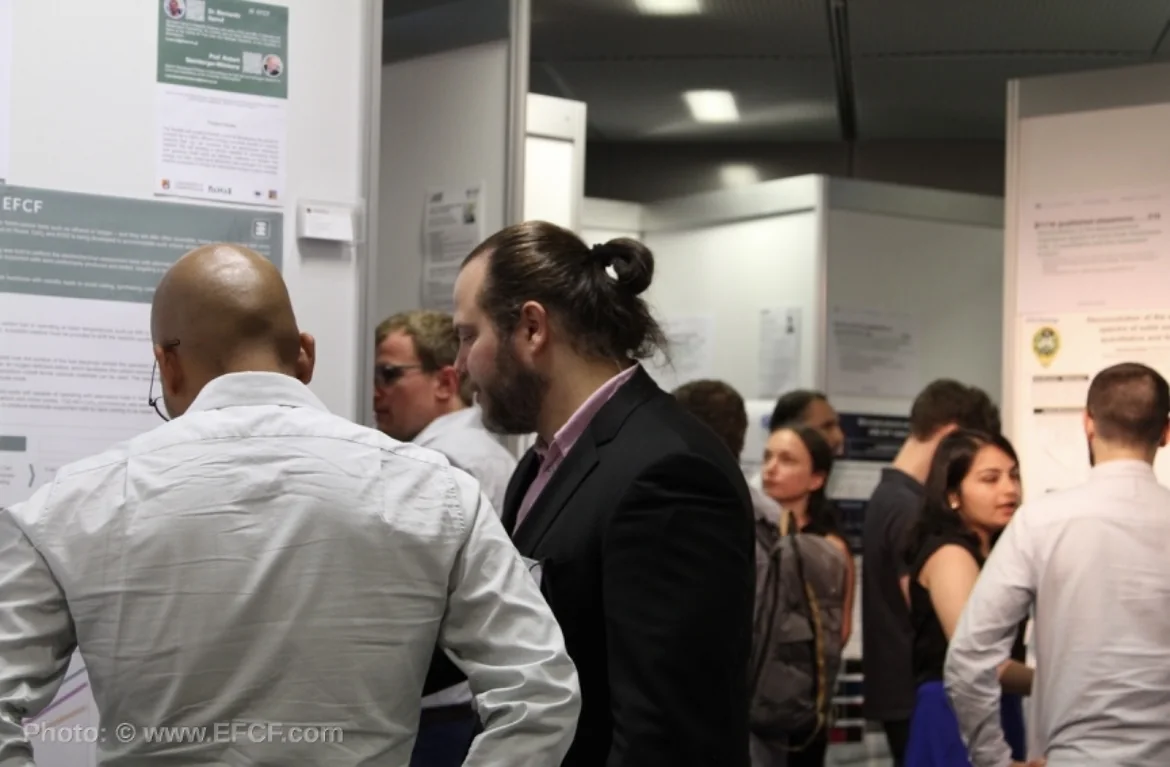
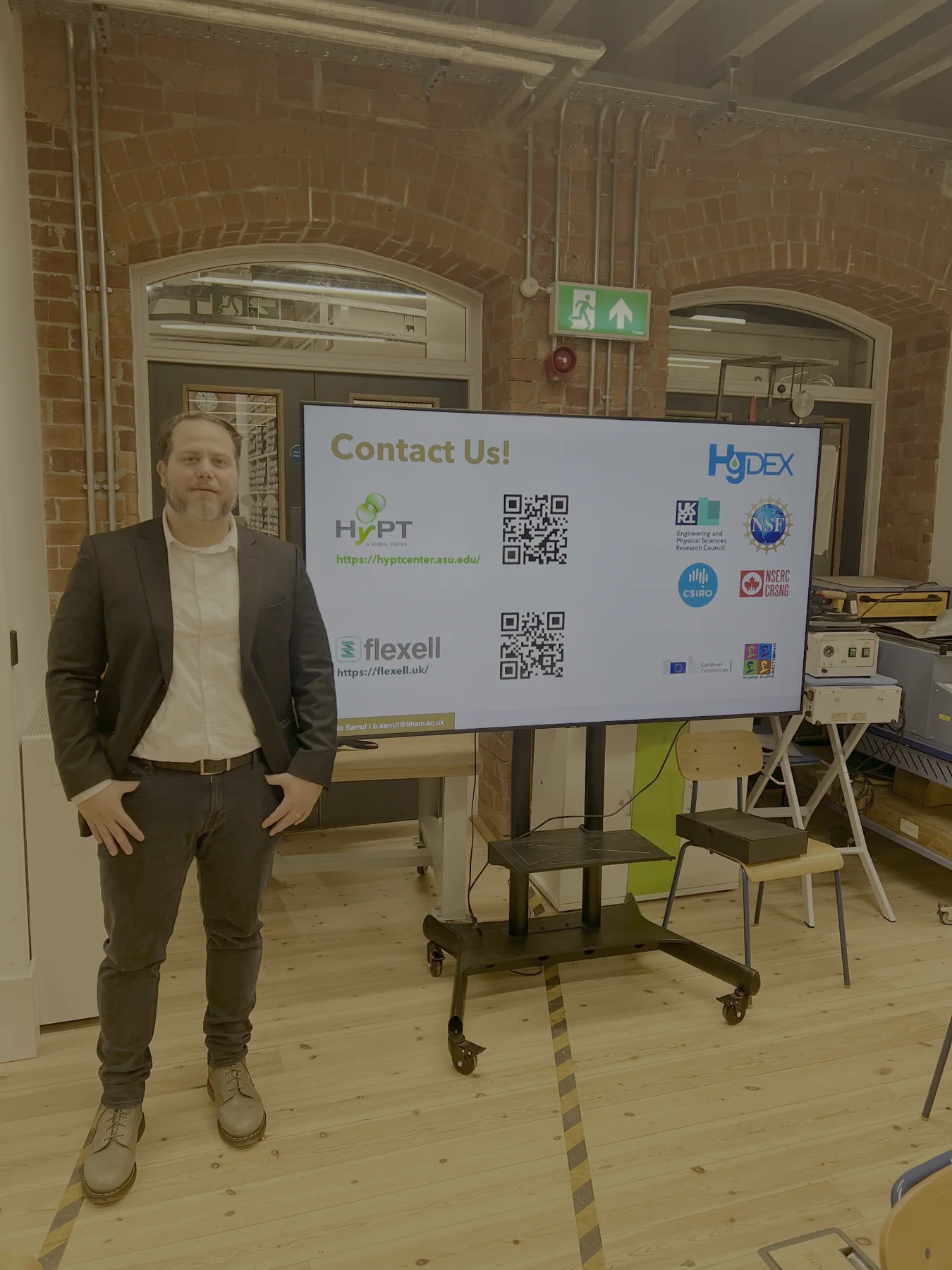
The project combined experimental research with communication and knowledge exchange. Presentations and scientific events created opportunities to discuss solid oxide cells, hydrogen technologies and durability challenges with academic and industry audiences.
The work resulted in multiple peer-reviewed publications and provided the foundation for subsequent research into reversible SOCs, degradation and durability.
Explore project outputs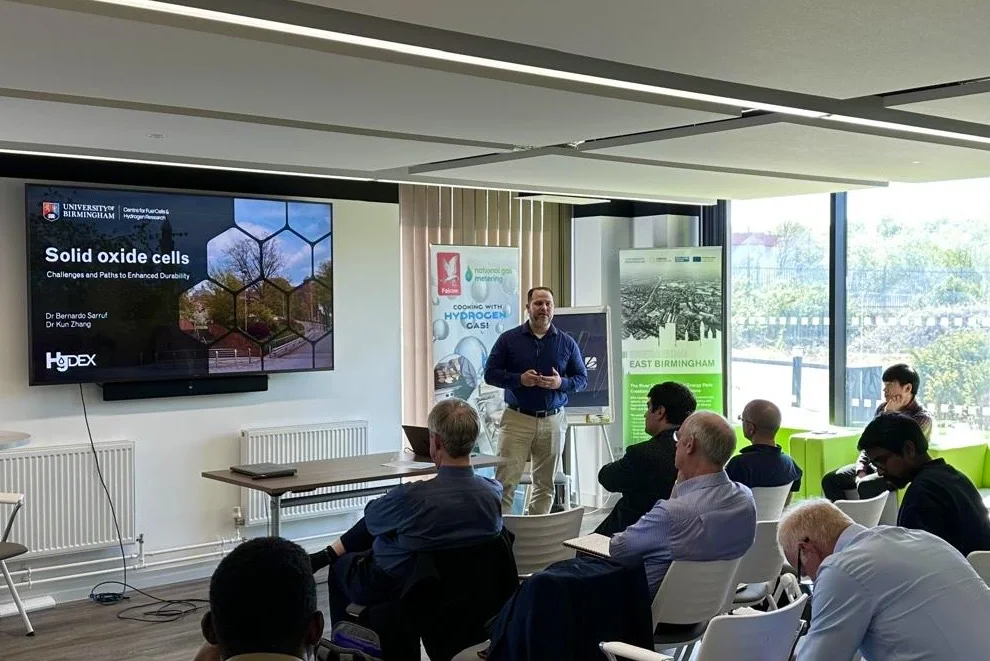
Project in pictures
Research, discussion and outreach.